
Mulled vs Non-Mulled Windows: Find the Perfect Fit
If you’re considering a new vinyl window installation for your home in Middle Tennessee, you might have come across the terms “mulled” and “non-mulled” windows. Understanding the comparison between mulled vs non mulled configurations can help you make an informed decision for your next project.
Let’s explore what a mulled window is, how non mulled windows operate, and the pros and cons of each window unit option.
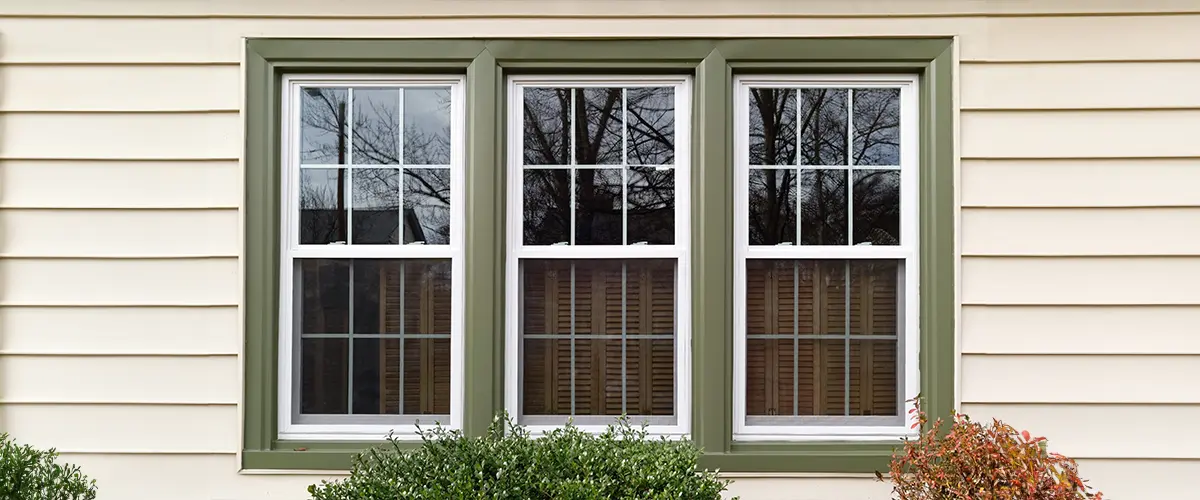
What Are Mulled Windows?
So, what is a mulled window exactly? Mulled windows consist of two or more individual window frames joined together structurally at the factory or on-site to form a single, continuous mulled window unit.
This customization option allows homeowners to combine different styles—such as pairing fixed picture windows with operable mulled double hung windows—to create a dramatic focal point while maintaining structural integrity.
Key Features
- Unified Appearance: Joining multiple sections into one mulled window unit provides a seamless, architectural look.
- Increased Light: They allow maximum natural light into large openings.
- Versatility: You can customize mulled vs non mulled layouts in various combinations to match your home’s elevation.
| Pros | Cons |
|---|---|
|
|
What Are Non-Mulled Windows?
Unlike a joined mulled window unit, non mulled windows are separate, standalone window units installed into their own rough openings with individual wall framing and drywall or trim separating them.
Key Features
- Individual Units: Each window unit operates separately, allowing for distinct placement throughout the room.
- Simpler Installation: Installing separate units is typically faster and less labor-intensive.
- Cost-Effective: Standard individual units usually lower both material and labor expenses.
| Pros | Cons |
|---|---|
|
|
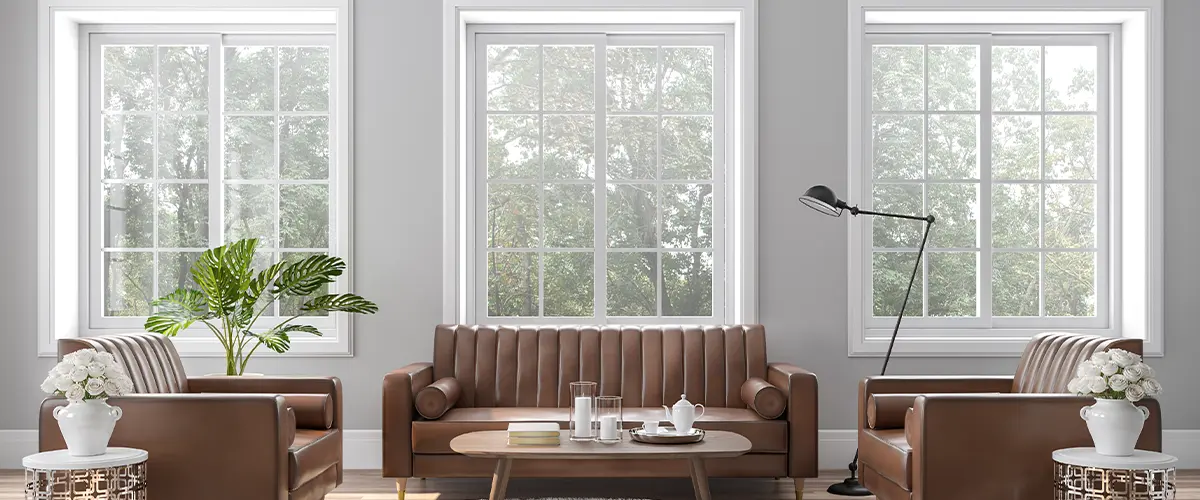
Mulled vs Non-Mulled Windows: Choosing the Right Option
When weighing mulled vs non mulled windows, consider how each room functions:
- Living & Dining Rooms
- A large mulled window unit or a series of mulled double hung windows creates an open, light-filled atmosphere ideal for main living areas.
- Bedrooms & Bathroomt
- Standalone non mulled windows offer better wall coverage for privacy, window treatments, and independent ventilation.
- Budget & Material
- If you are installing a modern vinyl window, non-mulled configurations save on factory mulling costs, while mulled options maximize glass surface area.
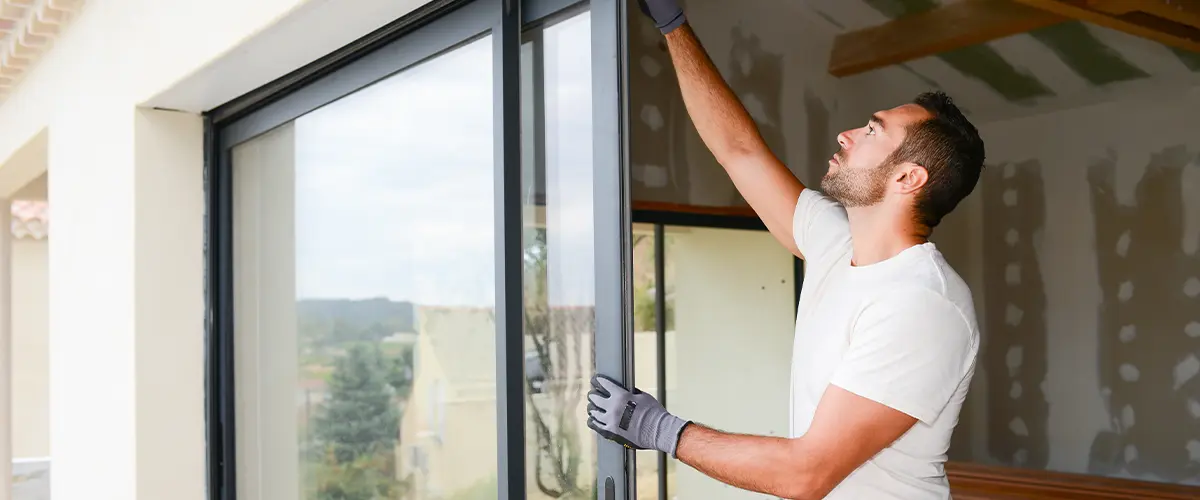
Expert Tips and Advice
Consider Room Function
- Living Room: This is often the heart of the home, where you entertain guests and spend family time. Mulled windows can create a stunning, open view and let in lots of natural light, making the space feel larger and more inviting.
- Kitchen: For the kitchen, consider how much ventilation you need. Non-mulled windows, like awning windows, can be great here because they open fully to let in fresh air.
- Bedroom: Privacy is key in bedrooms. Non-mulled windows, such as double-hung or single-hung windows, can offer the flexibility of opening the top or bottom sash for airflow while maintaining privacy.
- Bathroom: In bathrooms, privacy and ventilation are crucial. Non-mulled windows with frosted glass can provide privacy while still allowing some light to enter. Small awning windows high on the wall are also a good choice for ventilation.
Amount of Natural Light Needed
- Living Room and Dining Area: These spaces benefit from lots of natural light. Mulled windows can be perfect for creating bright, welcoming areas where you spend a lot of time during the day.
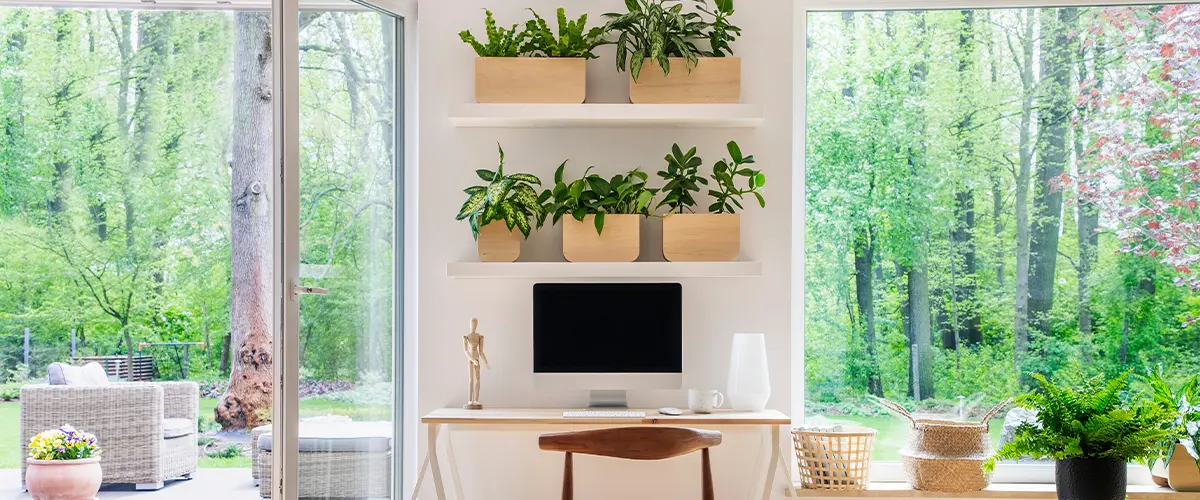
- Home Office: A well-lit workspace is important for productivity. Mulled windows can help flood the room with natural light, reducing the need for artificial lighting during the day.
- Bedrooms and Nurseries: While natural light is great, you also want the option to control it. Non-mulled windows with blinds or shades can give you the flexibility to darken the room when needed, such as during nap times.
Privacy Considerations
- Bathrooms and Bedrooms: These rooms need more privacy. Non-mulled windows with options like frosted glass or internal blinds can help maintain privacy while still allowing light in.
- Living Rooms and Kitchens: These areas typically need less privacy, so larger mulled windows can be used to create open, light-filled spaces without concerns about prying eyes.
Mulled VS Non Mulled Windows - FAQs
Mulled windows are multiple window units joined together to form a single large window, providing a seamless look and more natural light.
Non-mulled windows are individual window units installed separately, each framed and functioning independently.
Non-mulled windows are generally easier and faster to install because they are individual units.
Yes, mulled windows can be more expensive due to the complexity of joining multiple units and potential additional structural support.
Yes, mulled windows can be more expensive due to the complexity of joining multiple units and potential additional structural support.
A mulled window unit features joined frames with shared mullions, whereas non mulled windows are installed into separate openings with wall space between them.
Yes! A popular choice for energy efficiency and airflow is combining stationary picture windows with flanking mulled double hung windows in a single vinyl window frame assembly.
Upgrade Your Home with the Right Window Combination
Choosing between mulled and non-mulled windows ultimately comes down to your home’s architecture, your lighting goals, and your budget. Mulled windows create a dramatic, seamless focal point that maximizes your view and brightens entire living spaces. On the other hand, non-mulled windows offer incredible design flexibility, independent airflow control, easier maintenance, and significant cost savings.
Whichever direction you choose, Windows For Life is here to make your home transformation effortless. We bring the expertise, premium craftsmanship, and personalized service needed to turn your project into a lasting success.