
If you live in Tennessee, you already know how unpredictable winter can be. Suddenly the next severe winter storm rolls through, temperatures drop overnight, and suddenly you wake up to frost creeping across your windows.
For many homeowners, window frost problems in Tennessee winters feel confusing and a little unsettling. Is it normal? Is it damaging your home? And why does it keep happening even when the heat is on?
Let’s walk through what’s really going on, why Tennessee homes are especially vulnerable, and what you can do to protect your house, your comfort, and your energy bills when winter hits.
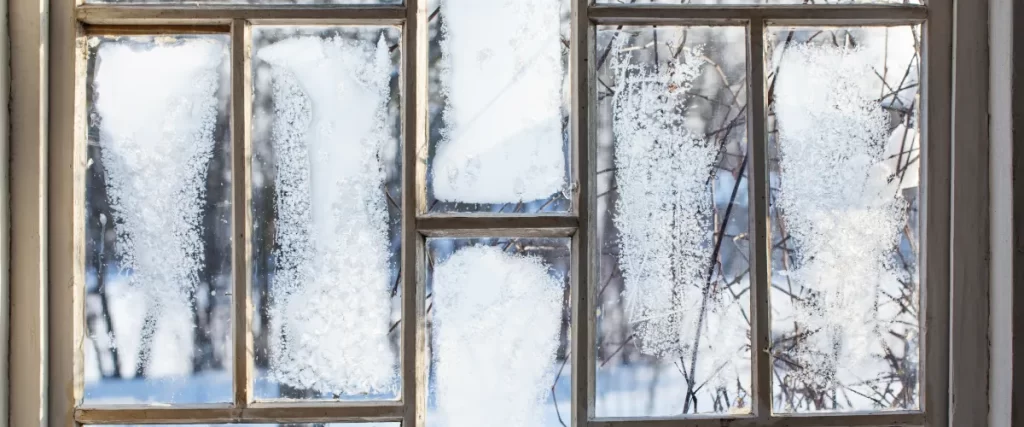
Why Window Frost Is So Common in Tennessee Winters
Tennessee winters are not like winters up north. We don’t stay frozen for months, but we do experience sharp temperature swings, high humidity, and periods of extreme cold mixed with rain and snow. That combination is a perfect recipe for window frost problems.
When warm air inside your house meets freezing temperatures outside, moisture in the air turns into condensation. If the window surface is cold enough, that moisture freezes. You see frost, ice, or a thin white coating on the glass, frames, or even the surrounding wall.
Homes in East Tennessee tend to see this more often because of higher humidity, older housing stock, and valleys that trap cold air during overnight temperature drops.
The Role of Humidity and Warm Air
Humidity plays a bigger role than most homeowners realize. Tennessee air holds moisture, even during the colder months. When your heating systems are running, they push warm air around the house. That warm air carries moisture.
If that moisture hits a cold window surface, frost forms. This is why bathrooms, kitchens, bedrooms, and rooms with poor ventilation often show frost first.
You might notice:
- Frost forming overnight and disappearing by daylight
- Condensation pooling at the bottom of windows
- Ice building up along window edges during extreme cold
These are signs that moisture problems and heat loss are happening at the same time.
How Poor Insulation Makes Frost Worse
Poor insulation is one of the biggest contributors to window frost problems in Tennessee winters. Many homes were built decades ago, long before energy efficiency was a major concern.
Here are some of the most vulnerable areas:
- Older single pane windows
- Gaps around window frames
- Worn weather stripping on windows and doors
- Walls with thin or deteriorating insulation
- Attics that allow cold air to settle downward
When cold air leaks in and warm air leaks out, the window surface stays colder longer. That makes frost far more likely during freezing temperatures.
Heat Loss, Higher Energy Bills, and Comfort Issues
Window frost is not just a cosmetic issue. It is often a warning sign of heat loss. When heat escapes through windows, your HVAC system works harder to maintain a comfortable temperature.
Over time, this leads to:
- Higher energy bills
- Uneven temperatures between rooms
- Cold drafts near windows and doors
- Heating system failures during periods of extreme cold
If you’ve noticed your thermostat struggling to keep up or certain rooms always feeling cold, your windows may be part of the problem.
Frost vs Condensation, What’s the Difference?
Homeowners often ask if frost is worse than condensation. The short answer is yes.
Condensation means moisture is forming on the glass, while frost means that moisture has frozen. This usually points to colder surface temperatures and more significant insulation issues.
Both can lead to long term problems if ignored, especially during prolonged cold spells.

Long Term Risks of Ignoring Window Frost
At first, window frost might seem harmless. Over time, repeated freezing and thawing cycles can cause real damage.
Potential risks include:
- Moisture seeping into window frames
- Wood rot around windows and walls
- Mold growth from trapped moisture
- Structural issues near window openings
- Paint peeling and drywall damage
When frost melts during warmer periods, that water has to go somewhere. If it seeps into your wall or floor, it can cause serious problems.
How Window Frost Connects to Other Home Issues in Winter
Window frost rarely happens alone. It often signals broader winter vulnerabilities in the house.
Exposed Pipes and Burst Pipes
Cold air leaking near windows can travel inside walls. That puts exposed pipes at risk. When temperatures drop quickly, pipes can freeze and burst, leading to expensive water damage.
It’s always smart to insulate exposed pipes and seal nearby drafts before winter sets in.
Ice Dams and Roof Leaks
Heat loss through windows and walls can affect the attic. Warm air rising melts snow on the roof. When it refreezes near the gutters, ice dams form.
Ice dams increase the risk of roof leaks, wet insulation, and interior water damage.
Power Outages and Heating Failures
During severe winter storms, power outages are not uncommon in parts of Tennessee. Homes with poor insulation lose heat quickly. Window frost during these times can escalate into frozen pipes, unsafe indoor temperatures, and emergency repairs.
Practical Steps Homeowners Can Take
You don’t need to do everything at once. Small improvements can go a long way when trying to deal with frosty windows.
Improve Sealing and Weather Protection
These simple steps reduce cold air intrusion and help keep warm air inside:
- Apply caulk around window frames where gaps are visible
- Replace worn weather stripping on windows and doors
- Check exterior trim for cracks or separation
Manage Indoor Moisture
Lowering indoor humidity can significantly reduce frost. Try these:
- Use exhaust fans in kitchens and bathrooms
- Avoid drying clothes indoors during winter months
- Ensure proper ventilation in bedrooms
- Consider a dehumidifier if moisture levels stay high
Adjust Heating Systems and Airflow
Your HVAC system works best when airflow is balanced. Make sure warm air circulates evenly:
- Keep vents open and unblocked
- Use ceiling fans on low to push warm air down
- Avoid closing off rooms completely
Insulate Strategic Areas
Insulation upgrades don’t always need major construction work. These improvements can help stabilize surface temperatures and reduce frost buildup:
- Attic insulation
- Wall insulation near windows
- Pipe insulation in vulnerable areas
When Windows Themselves Are the Problem
Sometimes the issue isn’t sealing or humidity. It’s the windows.
Older windows often lack modern coatings, multiple layers, or insulated frames. Over time, seals fail and efficiency drops. Replacing or repairing windows can dramatically improve comfort and reduce winter headaches.
Signs your windows may need fixing or replacement:
- Frost appears even with low indoor humidity
- Glass feels extremely cold to the touch
- Drafts persist after sealing attempts
- Condensation forms between glass layers
Why Tennessee Homes Need a Local Approach
Tennessee winters are unique. The mix of cold, rain, snow, wind, and humidity requires solutions tailored to this region. What works in drier, colder climates doesn’t always apply here.
Local professionals understand how seasonal temperature swings affect homes, how older construction behaves, and where vulnerable areas typically show up first.
Sometimes the simplest solution is to let a local expert handle it. If you’d rather skip the trial and error and get clear answers about your windows, call us at (615) 861-2315 or message us here. Here at Windows For Life we’re happy to help you protect your home, stay warm, and enjoy winter with fewer worries.