
When temperatures drop, and heating costs climb, your windows become one of the most important factors in keeping your home comfortable and your monthly energy bills manageable.
If you’ve noticed drafts around your current windows or watched condensation form on the glass during winter months, you’re experiencing firsthand how window materials respond to extreme cold.
Vinyl windows have become the preferred choice for homeowners in cold climates, and the reasons go far beyond initial cost. Modern vinyl windows deliver better energy performance than wood windows, aluminum windows, and other window materials through a combination of material properties and advanced engineering.
How Vinyl Handles Temperature Changes
Polyvinyl chloride, the material used in vinyl frames, responds to extreme weather differently than wood frames or aluminum.
Unlike wood, which absorbs moisture and expands or contracts with humidity and temperature shifts, vinyl maintains dimensional stability. This means your windows keep their tight seals even when outdoor temperatures plummet.
Wood windows can develop gaps as the material swells and shrinks with seasonal changes. Those gaps allow cold air to infiltrate your home, forcing your HVAC system to work harder. Aluminum windows conduct heat readily, creating a thermal bridge that transfers warmth directly from your interior to the frigid outdoors.
Vinyl frames don’t conduct heat the way metal does. The material itself provides natural thermal resistance, which helps keep indoor temperatures stable without the constant battle against heat loss.
Multi-Chambered Frames and Superior Insulation
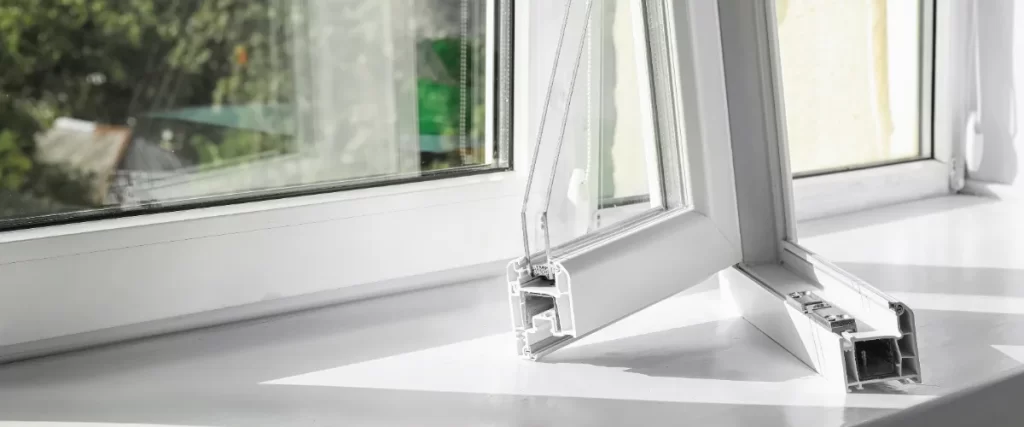
High-quality vinyl windows are designed with hollow chambers inside the frame. These air pockets trap air and create barriers against heat transfer. Some manufacturers enhance this design with foam-filled frames, which push thermal resistance even further.
When properly installed, these multi-chambered frames work together with low e glass to form a complete insulation system. The Department of Energy notes that windows account for approximately 25-30% of residential heating and cooling costs, making frame material selection a significant factor in energy savings.
Quality vinyl windows maintain their insulating properties year after year because the material doesn’t degrade the way wood can. There’s no rotting, no warping from moisture exposure, and no paint that chips away to compromise structural integrity.
The Glass Makes a Difference
Modern vinyl windows come with options that dramatically improve energy efficiency:
- Low-E coatings: These microscopically thin metallic layers reflect heat back into your home during winter while allowing natural light to enter
- Gas fills: Argon or krypton gas between panes provides better insulation than regular air
- Triple pane glass: An extra layer of glass with additional gas fills creates even more resistance to heat transfer
Triple glazing offers exceptional performance in extreme cold. The additional pane creates two insulating spaces instead of one, significantly reducing the amount of heat that escapes through your windows.
When combined with low-emissivity coatings, triple-pane glass can reduce heat loss by up to 50% compared to standard double-pane units.
These features work together to minimize solar heat gain in summer while maximizing it during winter months when you actually want that warmth. Low-E glass comes in different types, some optimized for cold climates and others for warmer regions.
Preventing Air Leakage
Air leakage around windows contributes more to energy loss than many homeowners realize. Even a small gap allows cold air to enter and warm air to escape, creating drafts and uncomfortable rooms.
Insulated vinyl windows offer excellent resistance to air infiltration when installed correctly. The frame material doesn’t shrink or expand significantly, so the seals between the frame and sash remain consistent.
Many vinyl windows feature multiple weatherstripping points and compression seals that prevent air leakage more effectively than other materials.
Installing vinyl windows requires attention to proper sealing and insulation around the rough opening.
Energy Star estimates that sealing air leaks throughout your home can reduce heating and cooling costs by up to 20%. Windows represent a major potential source of those leaks, so professional installation makes a real difference in energy performance.

Energy Savings That Add Up
The benefits of vinyl windows extend beyond comfort. Lower energy bills mean the investment pays dividends month after month. In cold climates, heating represents the largest portion of energy costs, and reducing heat transfer through your windows directly impacts those expenses.
Replacement windows with high energy efficiency ratings can reduce your annual heating costs substantially.
The exact savings depend on your climate zone, your home’s size, and your current windows, but homeowners frequently report 15-25% reductions in energy bills after upgrading from old wood windows or aluminum windows to modern vinyl windows.
Many utility companies and government programs offer rebates for energy-efficient window installations. Checking with your state energy office or local utility provider before purchasing can reduce your upfront costs.
Low Maintenance in Harsh Conditions
Cold weather brings ice, snow, and freeze-thaw cycles that test building materials. Wood frames require periodic painting and sealing to protect against moisture damage. Metal frames can develop condensation issues that lead to water damage on surrounding walls.
Vinyl windows are naturally resistant to moisture, rot, and insect damage. They don’t need painting or refinishing.
A simple cleaning with soap and water keeps them looking good year after year. This low-maintenance characteristic becomes particularly valuable in regions where extreme cold makes exterior work difficult for months at a time.
The color goes through the entire material rather than being applied as a surface coating, so scratches don’t expose a different color underneath. Most manufacturers back their products with a lifetime limited warranty that covers both the frame and the mechanical components.
Comparing Vinyl Windows to Other Options
When you evaluate vinyl windows compared to wood windows, the differences become clear quickly. Wood offers traditional aesthetics and good insulation when properly maintained, but requires ongoing care. In cold climates with moisture from snow and ice, that maintenance burden increases significantly.
Aluminum windows provide strength and slim sightlines but transfer cold readily. Even thermal-break aluminum frames don’t match the insulating properties of insulated vinyl windows. The metal simply conducts heat too efficiently to compete with vinyl’s natural thermal resistance.
Fiberglass windows offer performance comparable to vinyl in many ways, though typically at a higher price point. For most homeowners seeking maximum energy efficiency without premium costs, vinyl provides the best balance.
What Makes Vinyl Windows Work So Well
Several factors combine to make vinyl windows excel in cold weather. The frame material itself resists heat transfer. The multi-chambered design creates insulating air spaces.
Modern glazing options with Low-E coatings and gas fills reduce heat loss through the glass. Consistent dimensions maintain tight seals that prevent air leakage.
Choose vinyl windows with specifications appropriate for your climate. Look for lower U-factors, which indicate better insulation. Check the Solar Heat Gain Coefficient if you want to maximize passive solar heating during winter. Energy Star certification ensures the windows meet performance standards for your region.
Proper installation matters as much as the window itself. Gaps around the frame, missing insulation, or incorrect flashing can compromise even the best window’s energy performance. Working with experienced installers who understand cold climate requirements protects your investment.
Let Us Handle Your Window Needs
Understanding all these technical specifications and installation requirements can feel overwhelming when you’re dealing with drafty windows and rising heating costs. Maybe you’d rather have someone who knows what they’re doing take a look at your situation and recommend the right solution.
That’s where professional window repair and assessment come in. Instead of worrying about U-factors and multi-chambered frames, you can rely on experienced technicians who work with these systems every day.
If your windows are letting cold air in or your energy bills keep climbing, call us at (615) 861-2315 or message us here. We’ll evaluate your current windows, explain your options in plain language, and help you decide whether repair or replacement makes the most sense for your home and budget.
Sometimes a small repair fixes the problem. Other times, upgrading to modern vinyl windows delivers benefits that pay for themselves in comfort and energy savings.