
You know that feeling when your air conditioner runs nonstop during a Nashville summer, and you’re still sweating? Or when those January drafts make you wonder if you accidentally left a door open?
Your windows might be the culprit, and you’re probably asking yourself if window replacement is worth it in Tennessee.
Let’s talk about what really matters here: Tennessee’s weather throws everything at your home, from scorching summers that push past 90 degrees to winters that dip below freezing. Your windows are working overtime, and if they’re more than 15 years old, they’re probably not winning that battle.
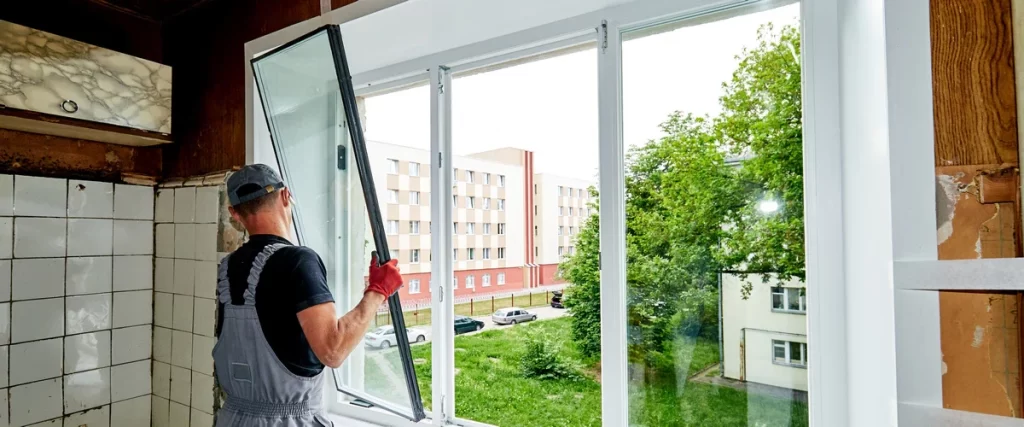
Understanding Window Replacement Investment in TN
We’ll make it quick. So, should you replace your windows in Tennessee? Let’s look at the signs that scream “yes.”:
- Your energy costs keep climbing despite no change in usage
- You feel drafts around the window frames even when they’re closed
- Condensation forms between glass panes (this means the seal is shot)
- The frames are rotting, warping, or damaged
- You’re planning to sell within the next few years
Sometimes a repair might make sense if you’ve got one problematic window. But if you’re dealing with multiple issues across your house, replacement becomes the smarter move. With window replacement, you’ll get:
- Consistent energy efficiency throughout your home
- Matching window styles that boost curb appeal
- No more playing whack-a-mole, fixing one window after another
The window replacement process typically takes one to two days for a whole house, depending on how many windows you’re swapping out. Professional window installation ensures proper sealing and insulation, which directly impacts your energy consumption and comfort.
The Real Numbers Behind Window Replacement ROI in Tennessee
Here’s what you need to know about window replacement ROI:
| Average Cost | $300-$1,000 per window installed | Varies by window type and frame material |
| Energy Savings | 12-25% reduction in energy bills | Pays back over 8-15 years |
| Home Value Increase | 70-80% ROI at resale | Makes your house more attractive to potential buyers |
| Lifespan | 15-20 years for quality windows | Long-term protection for your investment |
The U.S. Department of Energy estimates that heat gain and loss through windows accounts for 25-30% of residential heating and cooling energy use. That’s real money leaving your house every month.
When you’re running your HVAC system harder because your existing windows can’t keep up, you’re basically paying to heat or cool the great outdoors.
Are New Windows Worth the Money for Energy Efficiency?

Tennessee homeowners see some of the biggest benefits from energy-efficient windows. Think about it: our summers are brutal, winters aren’t exactly mild, and spring weather changes faster than you can plan a weekend.
Double hung windows with low-E glass coatings can block up to 70% of heat transfer. That means your rooms stay cooler when it’s hot outside and warmer when temperatures drop. You’ll notice the difference in your energy bills within the first few months.
Here’s why new vinyl and composite frames work so well here:
- They don’t conduct heat as metal frames do
- Zero maintenance compared to wood that needs scraping and repainting
- They handle Tennessee’s humidity and temperature swings without warping
- Composite frames offer even better durability for long-term performance
Most people don’t think about how new windows reduce the workload of their HVAC system. When your heating and cooling system doesn’t have to run constantly, it lasts longer. You’re protecting two investments at once.
Window Types That Work Best in the Tennessee Climate
Not all replacement windows perform the same. Let’s break down what works best:
- Picture Windows: These are perfect for letting in natural light without sacrificing energy efficiency since they don’t open. Great for rooms where you want a view but don’t need ventilation.
- Sliding Windows: They work well for areas where you want airflow without taking up interior space. The horizontal design fits nicely under low eaves or in tight spots.
- Double-Hung Windows: The most popular choice because they’re versatile and familiar. You can open them from the top or the bottom, giving you control over airflow. Most quality double-hung windows now come with tilt-in sashes for easy cleaning.
Frame Material Comparison
Frame material matters more than most people realize:
- Wood looks beautiful but requires regular maintenance to protect against Tennessee’s humidity
- Vinyl handles our climate better with basically zero upkeep
- Composite frames combine the best features with superior durability
- Metal frames are durable but create thermal bridges that reduce energy efficiency
Resale Value Impact: What Potential Buyers Look For
Planning to sell your house in the future? New windows make a huge difference. Buyers notice them immediately because they affect both the interior and exterior appearance of your home.
Fresh, clean windows suggest the entire home is well-maintained. Quality windows also mean fewer trouble spots during a home inspection. You won’t have to negotiate repairs or credits because of drafty, damaged windows.
The entire project shows buyers they’re getting a move-in-ready house that won’t need major updates right away.
Making Sense of the Cost and Planning
Getting several quotes helps you understand the price range for your specific project. Window replacement companies usually provide detailed breakdowns that cover:
- The windows themselves
- Installation labor
- Any necessary repairs to the existing frames
- Cleanup (you don’t want a mess left behind)
Expect to pay more for energy-efficient upgrades like triple-pane glass or special coatings, but these features pay off faster in our climate. The upfront cost might make you wince, but calculate your potential energy savings over the next decade.
Most Tennessee homeowners find their investment starts paying back within 8-12 years through lower energy bills alone.
Frequently Asked Questions
How long does window replacement take for an average Tennessee home?
Most companies can complete a whole-house window replacement in one to two days. Single window replacements often finish in just a few hours.
Will new windows really lower my electricity bill in Tennessee summers?
Yes, especially if you’re replacing single-pane windows or older double-pane units. Energy-efficient windows with low-E coatings can reduce cooling costs by 12-25% in Tennessee’s hot climate. You’ll notice the biggest difference in rooms that get direct afternoon sun.
What’s the best time of year to replace windows in Tennessee?
Spring and fall offer the most comfortable working conditions for installers. Many homeowners schedule their projects during these seasons because the weather is mild, allowing them to leave their houses open without extreme temperatures affecting their comfort.
Do I need to replace all my windows at once?
Not necessarily. Some Tennessee homeowners prioritize rooms that get the most sun exposure, spaces where they spend the most time, or windows facing the street for curb appeal. However, replacing all windows together usually costs less per window and ensures consistent energy efficiency throughout your home.
How do I know if I should repair or replace my windows?
If the damage is cosmetic or limited to hardware, repair might work. But if you have seal failures, frame rot, or persistent drafts, replacement makes more sense. Windows older than 20 years should probably be replaced, as newer models offer significantly better energy performance.
Ready to Make the Change?
Here’s the thing: figuring out whether window replacement is worth it for your Tennessee home doesn’t have to be complicated. You could spend weeks researching every detail, getting multiple quotes, comparing specifications, and trying to make sense of all the technical jargon.
Or you could talk to someone who handles this stuff every day and knows exactly what works best for homes in Tennessee. Sometimes the easiest path is to call us at (615) 861-2315 or message us here. We’ll give you a straight answer about what your house needs, what makes sense for your budget, and what results you can expect.