
Living near I-65 or I-24 in Nashville means you’re close to everything that makes the city great. It also means your home sits near some of Tennessee’s busiest roads. That constant hum of highway noise seeps through your walls and windows, making it hard to sleep, work, or just relax in your own space.
The right windows can transform your home from a highway-adjacent noise trap into a quiet sanctuary. We’re talking about the best windows for noise reduction, ones that actually block sound waves instead of just slowing them down.
If you understand how different window types handle sound transmission, you can make a choice that brings real peace back to your Nashville home.
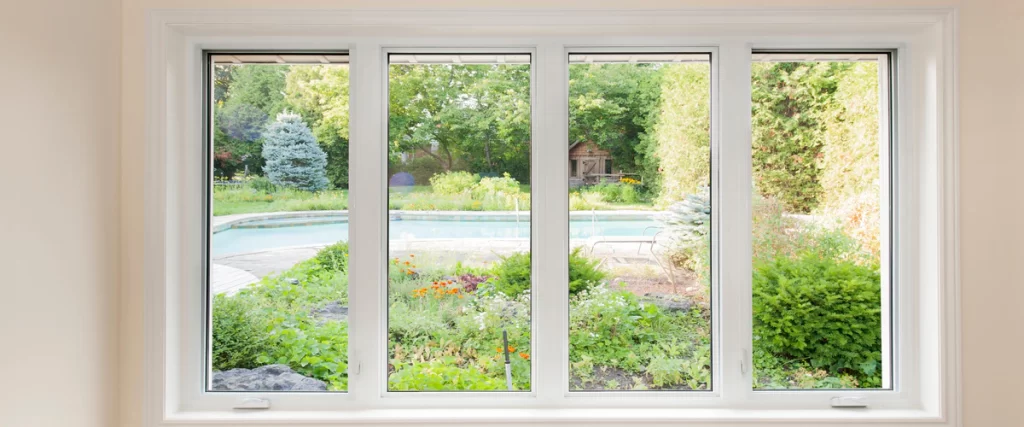
What Makes Windows Block Highway Noise?
Not all windows reduce noise equally. Here’s what actually matters when you’re shopping for soundproof windows:
| Feature | How It Reduces Noise | Best For |
| Triple-Pane Glass | Three layers of glass with air gaps block multiple sound frequencies | Homes directly facing I-65/I-24 |
| Laminated Glass | Plastic layer between glass panes dampens vibrations | All highway-adjacent properties |
| Different Glass Thicknesses | Varying pane thickness stops different sound wavelengths | Maximum noise reduction |
| Large Air Space | Wider gaps between panes absorb more sound energy | Busy roads with heavy truck traffic |
| Airtight Seals | Prevents sound from sneaking through gaps | Any noise reduction project |
Sound Transmission Class (STC) ratings tell you how well windows block noise. Standard windows score around 26-28. You need windows with an STC rating of at least 45 to noticeably cut highway noise, and ratings of 50+ for homes right next to the interstate.
Triple Pane vs. Double Pane: What Works for Nashville Traffic?

Here’s the thing about sound waves: they need mass to stop them. A single-pane window is basically a drum that vibrates with every passing vehicle. Two panes help, but three panes with varying thicknesses target different sound frequencies:
- Triple-pane windows give you three layers of glass instead of two. Each glass pane acts as a barrier, and the air spaces between them trap sound waves before they reach your living room. For homes near I-65 in areas like The Nations or Germantown, triple-pane glass offers the kind of sound performance you actually notice.
- Double-pane windows are effective for typical neighborhood noise. They’ll handle barking dogs and lawn mowers. But when you’re dealing with constant interstate rumble, double-glazed windows just don’t have enough mass to block low-frequency sounds from trucks and motorcycles.
For these reasons, triple-pane windows consistently outperform dual-pane windows for highway noise.
Laminated Glass: The Secret Weapon
Most people don’t know about laminated glass. It’s got a layer of plastic sandwiched between glass panes, and that plastic absorbs vibrations that would normally pass straight through. Think of it like a shock absorber for sound.
You can get laminated glass in double-pane or triple-pane configurations. Combining laminated glass with multiple panes gives you maximum noise reduction.
We’ve seen homes near the I-24/I-65 split in Antioch where laminated triple-pane windows reduced interior noise by 40-50 decibels.
Window Frame Materials Matter Too
The glass handles most of the heavy lifting for sound insulation, but your window frame matters. Vinyl and fiberglass frames dampen sound better than aluminum because they don’t conduct vibrations as easily.
A quality window frame also allows for proper installation with acoustic caulk and weatherstripping. These details create airtight seals that prevent external sounds from sneaking around your expensive noise-reducing windows.
The window assembly as a whole determines performance. You could install the best triple-pane glass available, but if your window manufacturer uses cheap frames or your installer skips the acoustic sealing, you won’t get the results you paid for.
Getting Windows Installed Correctly
Here’s where many Nashville homeowners go wrong. They buy high-STC-rated windows and then attempt a DIY installation or hire the cheapest contractor they can find. Sound control requires precision:
- The air gap between your window frame and the rough opening needs acoustic caulk, not regular caulk
- The window needs to sit perfectly level and square in the opening
- Any gaps or misalignment create paths for outside noise to enter your home
Professional window installation includes proper sealing, insulation, and testing to verify the window’s ability to reduce noise. When windows are installed correctly, you get the full sound reduction performance the manufacturer promises.
Energy Efficiency Comes With Sound Reduction
Windows designed to block sound waves are also highly effective at stopping heat transfer. Those same features that reduce noise (multiple panes, low-e coatings, gas fills, airtight seals) also keep your home cooler in Nashville’s brutal summers and warmer during winter.
According to the Environmental Protection Agency’s ENERGY STAR program, upgrading to energy-efficient windows can lower your energy bills by 12-15% on average. In Tennessee’s climate zone, that adds up fast. You’re solving two problems at once: reducing sound transmission and improving energy performance.
Triple-pane windows with argon or krypton gas fills between the panes offer multiple benefits beyond just a quieter home. The gas is denser than air, so it blocks sound better while also insulating against temperature changes.
Frequently Asked Questions
What STC rating do I need for a home near I-65 or I-24?
Look for windows with an STC rating of 48 or higher if your home sits within 500 feet of the interstate. Homes farther away (500-1000 feet) can get good results with STC 45 windows. The closer you are to busy roads, the higher rating you need. Standard windows won’t cut it for highway noise.
Can I add window inserts instead of replacing my windows?
Window inserts help, but they’re limited by your existing frames and installation method. They typically add 4-7 STC points to your current windows. If you have old single-pane windows with an STC of 26, inserts might get you to 32-33. That’s still way below what you need for soundproof windows near Nashville’s major interstates. Full replacement with triple-pane glass gives you STC ratings in the 45-52 range.
How much noise reduction will I actually notice?
A 10-point increase in STC rating means perceived noise is cut in half. Going from standard windows (STC 28) to quality noise reduction windows (STC 48) represents a 20-point jump, which makes the highway sound about one-quarter as loud. Most homeowners describe it as finally being able to sleep through the night or watch TV without cranking the volume.
Do I need the same windows throughout my house?
No. Focus your budget on rooms facing I-65, I-24, or other busy roads. Bedrooms, living rooms, and home offices benefit most from maximum noise reduction. Bathrooms, laundry rooms, and spaces facing away from the highway can use less expensive windows.
Will these windows completely soundproof my home?
Nothing makes a home completely soundproof unless you’re building a recording studio. But high-quality noise-reducing windows, properly installed, can reduce external noise by 70-80%. That’s the difference between constant highway rumble and occasional muffled sounds during heavy traffic.
How long does window replacement take?
Most homes need 1-3 days for complete window replacement, depending on how many windows you’re changing. Each window takes 30-60 minutes to install correctly, with all required acoustic caulk and sealing for sound performance. Rushing the job means sacrificing the airtight seals that make noise reduction actually work.
Let Us Handle the Complicated Stuff
You could research every window manufacturer, compare STC ratings, hunt down contractors, and worry about whether they’re using the right acoustic caulk. Or you could let someone else handle everything while you focus on enjoying your home again.
Call us at (615) 861-2315 or message us here to schedule a free consultation. We address highway noise challenges throughout Nashville. We know which windows perform best near I-65 and I-24, and we install them correctly so you get the sound reduction you’re paying for.